




10 years of PR for Proton Therapy UK: What a decade-long agency partnership delivers
How a simple awareness brief in 2016 grew into a decade of press trips, patient stories and expert comment, and why the long game pays off.
 Charlotte WareingSenior PR consultantPublished · Updated · 5 min read
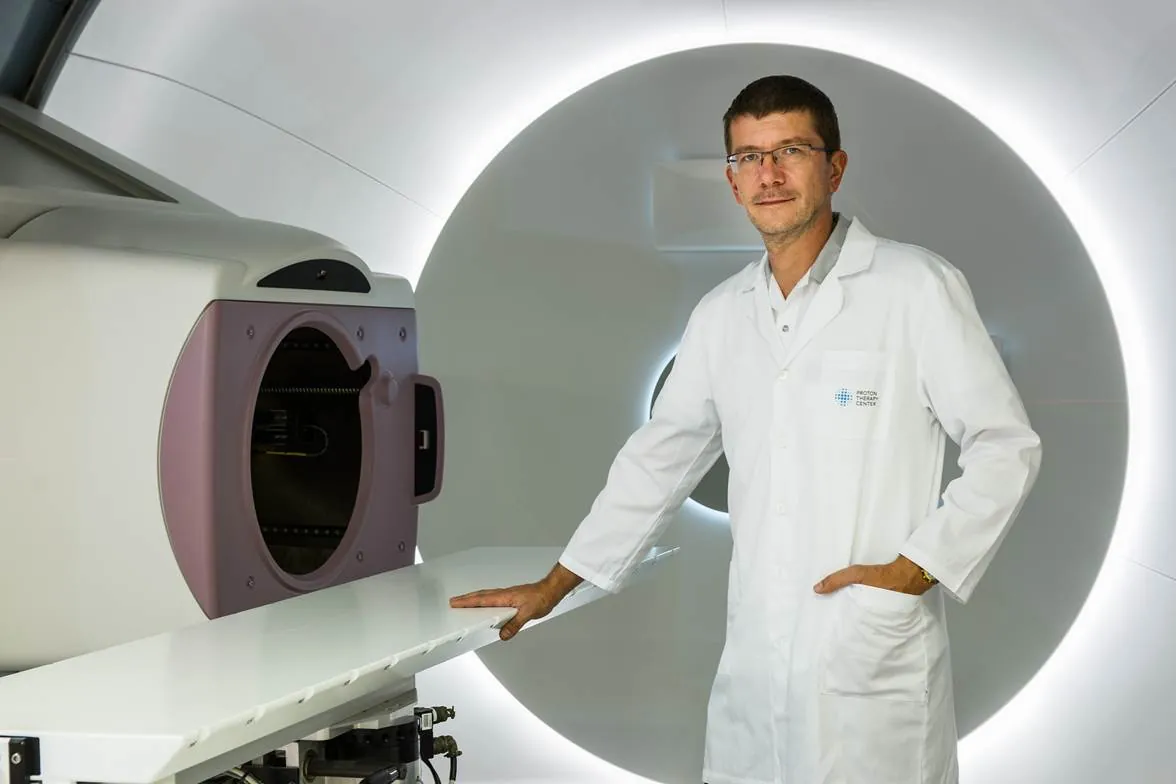
This month marks 10 years of us working with Proton Therapy UK (PTUK), the British arm of the Proton Therapy Center in Prague.
Back in November 2016, just five months after the UK voted to leave the EU, PTUK’s team in the Czech Republic came to us with a very simple brief.
They wanted us to help raise awareness of proton therapy - back then a relatively rare form of highly-precise radiotherapy - in the UK.
Their Prague clinic had already treated many patients from overseas and some recent British media coverage had led to greater interest.
A decade later and our partnership remains as strong as ever. To date, we have secured more than 1,000 pieces of coverage.
From press trips to patient stories: How the PR campaign grew
When we started working with PTUK the focus was purely to raise awareness. Success meant getting mentions of proton beam therapy in mainstream UK media, helping to explain the technology and make it relatable to a British audience.
We began by interviewing their oncologists and medical physicists, started talking to some of their British patients and reached out to journalists who might want to learn more.
As interest in proton therapy grew, so did our brief. Just six months later we ran a press trip to Prague - resulting in this feature in the i paper - and were interviewing a growing number of patients eager to share details of how they had travelled abroad for cancer treatment.
Now, the technology is much better understood and there are even two NHS centres after a £250m investment by the government.
Keeping Proton Therapy UK in the headlines
This gave us another challenge - how to keep PTUK in the headlines when patients could access the treatment without leaving the country.
Whenever cancer makes the headlines, whether it be through a public figure’s diagnosis, an awareness month or new research, journalists know PTUK’s oncologists, such as Dr Jiri Kubes, will give them clear, quotable information which consistently keeps them in the media.
In fact, just last week Dr Kubes was featured in the Daily Mirror to create awareness of prostate cancer and why men should be extremely vigilant.
While many things have changed during the 10 years we have worked together - not to mention a global pandemic thrown into the mix - our core story and PTUK’s values remain the same.
Why long-term partnerships pay off
Many companies tend to switch agencies every few years for a fresh perspective. Our experience with PTUK suggests the long game pays off.
There are a host of benefits for the client. They know their agency already understands who they are and what they want to achieve. They also know the close media relationships they have spent years nurturing remain.
For us, knowing PTUK so well has meant sharper ideas and fewer wasted pitches. The trust we have built up over the years has also allowed us to share some incredible stories of former patients.
The result has been consistent media coverage, month in and month out, and a solid campaign we still feel proud to deliver 10 years later.
Thank you to the team at PTUK for trusting us to tell their story for a decade. We can’t wait to see what the next chapter brings.
Vlastimil Roun, managing director of Proton Therapy UK said: “marco/richards has been a trusted partner since 2016, helping us reach patients across the world who may never have known proton beam therapy was an option for them. They have helped to bring more UK citizens to the Proton Therapy Center in Prague thanks to their ability to place our oncologists and patient stories in front of international audiences and raise awareness of the treatments we offer.”
Long-term PR partnerships: your questions answered
How long should a business stay with a PR agency?
In our first year with Proton Therapy UK, our job was explaining what proton therapy was. Ten years on, journalists come to its oncologists for comment. If your agency still understands your goals and the coverage keeps coming, changing agency just for a fresh perspective usually costs more than it gains.
What are the benefits of a long-term PR agency partnership?
The biggest benefit is that nothing has to be relearned. A long-standing agency already knows your story, your spokespeople and what you want to achieve, and the media relationships it has built over the years stay in place. For Proton Therapy UK, that has meant sharper ideas and consistent media coverage month in, month out.
How do you keep a client in the news once their story is no longer new?
Make them the expert journalists turn to when a related story breaks. Once proton therapy was available on the NHS, we made Proton Therapy UK’s oncologists a go-to source of clear, quotable comment whenever cancer made the headlines. That might be a public figure’s diagnosis, an awareness month or new research. Patient stories keep the human side going too.
Can a clinic based abroad get coverage in the UK press?
Yes, as long as it has a legitimate reason to be featured. That could be British patients who are willing to share their experience of going to the clinic for treatment or the clinic’s doctors and specialists who can provide expert commentary to journalists at short notice.
Does press coverage help with search and AI visibility?
Yes, and it’s a big part of how we improve search and AI visibility for our clients. News articles often link back to the client, and Google weighs links from respected publications more heavily than most. Of the 1,042 pieces of coverage we had secured for Proton Therapy UK by October 2026, 497 include a link, and the sites linking to it have an average domain authority of 75. AI tools such as ChatGPT and Google’s AI Overviews also draw on news coverage, so a steady flow of articles makes a brand more likely to appear in their answers.