




Is it time to be more optimistic about dementia research?
 Paul GallagherPR consultantPublished · Updated · 5 min read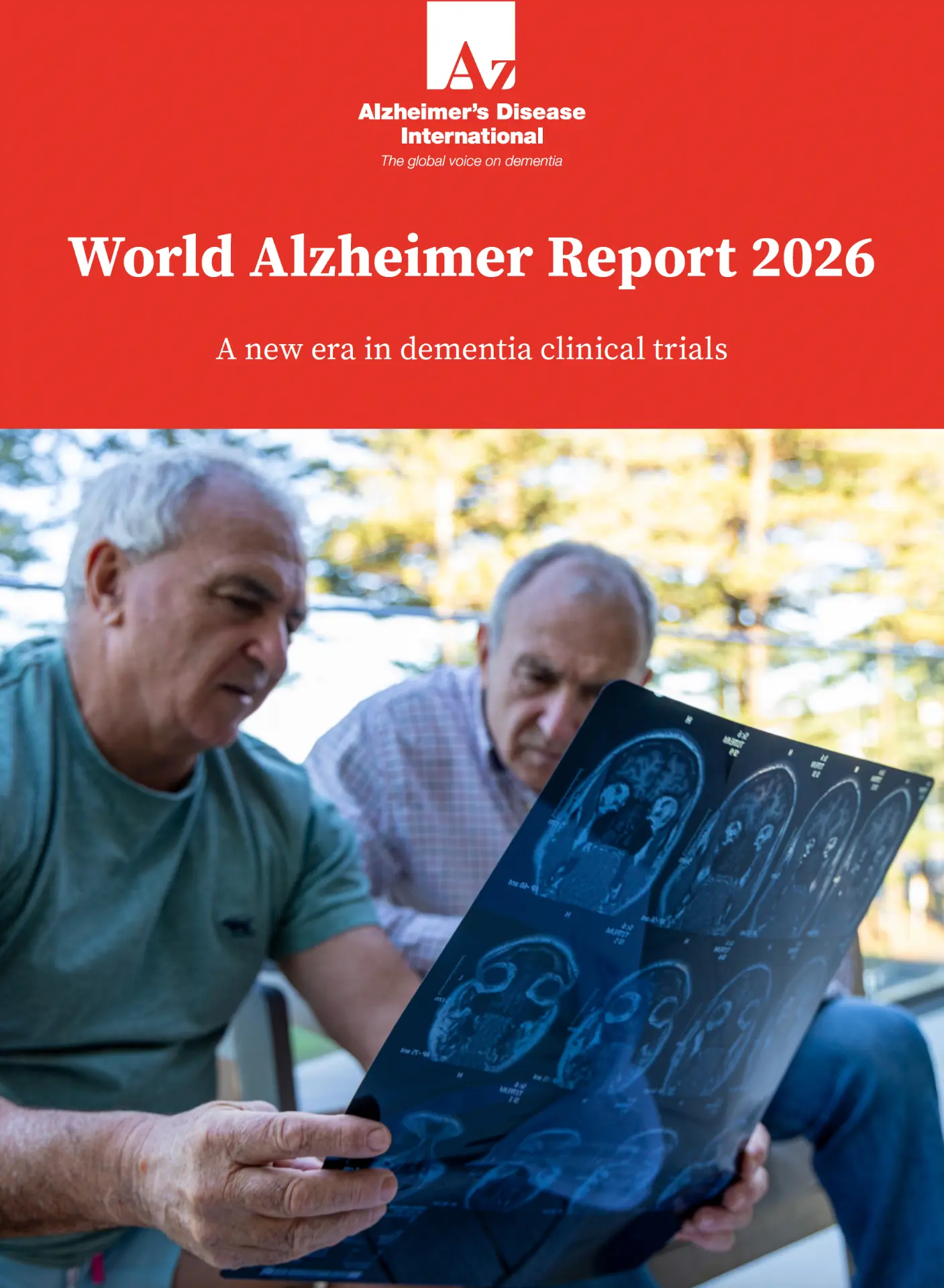
For decades, dementia research was characterised by disappointment. Promising treatments failed in clinical trials, the biology of the disease remained frustratingly complex and, for many people diagnosed with Alzheimer’s disease, there was little prospect of altering its course.
That picture is beginning to change.
The 2026 World Alzheimer Report, which I recently wrote for Alzheimer’s Disease International (ADI), examines the new era of dementia clinical trials – and asks what it will take to turn the remarkable scientific progress of recent years into meaningful benefits for people living with dementia around the world.
The report involved more than 45 interviews with researchers, clinicians, regulators, industry figures, policymakers, people living with dementia and carers. I deliberately approached it as a journalist rather than simply producing a conventional scientific review. Clinical trials can be extraordinarily complex, but behind every protocol, biomarker and statistical endpoint is a person volunteering to take part in research, often in the hope of gaining more time or helping future generations.
That human perspective is important because the science is moving quickly. There are now 192 active clinical trials investigating 158 potential Alzheimer’s therapies, compared with 182 trials and 138 therapies just a year earlier - and a 40% rise compared with 10 years ago. The pipeline has expanded well beyond the search for a single “Alzheimer’s drug”, with researchers targeting amyloid, tau, inflammation, neurotransmitter systems, metabolism, vascular mechanisms and other biological pathways.

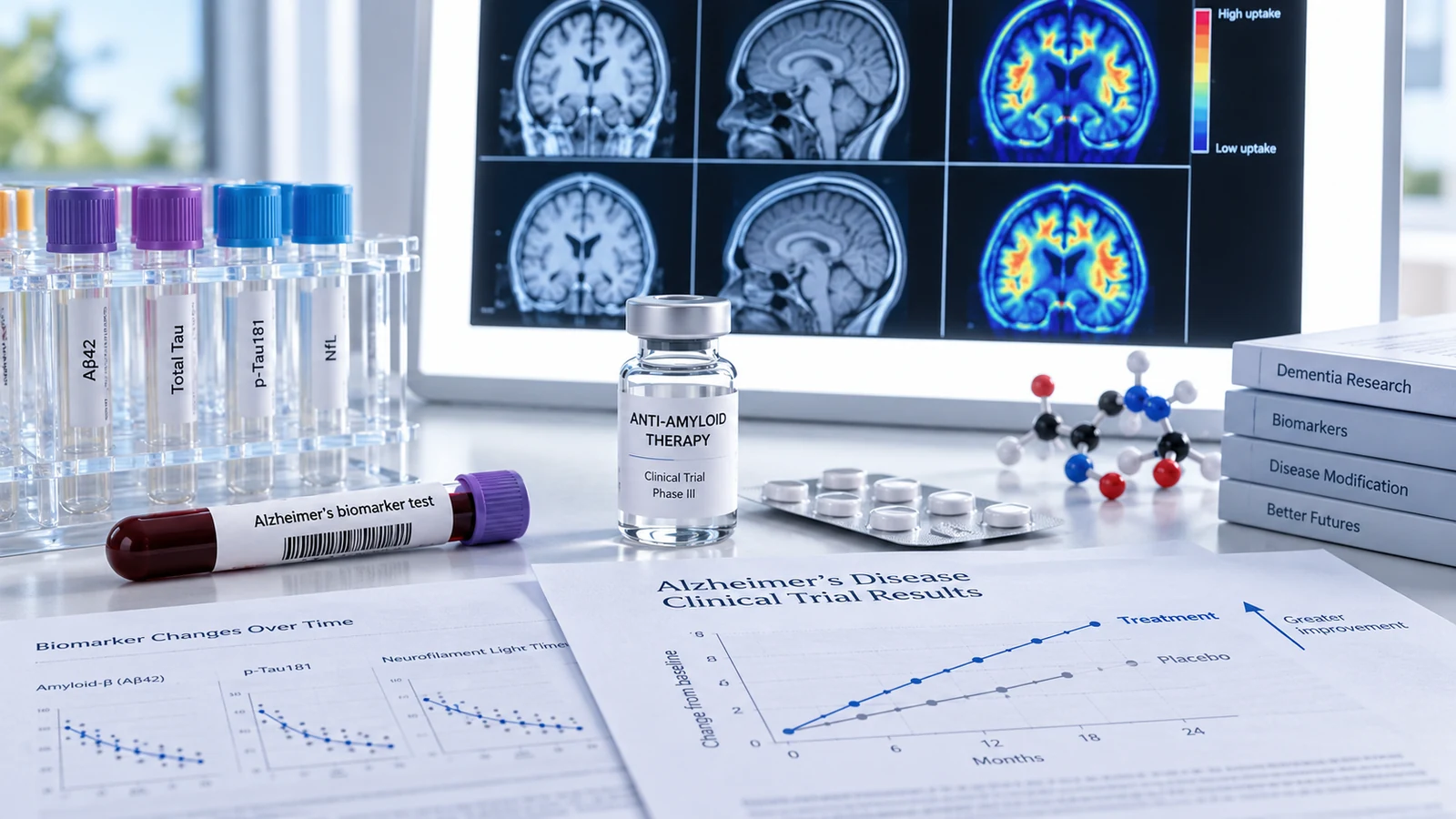
There is also growing interest in treating people earlier. Blood-based biomarkers and other diagnostic advances are making it increasingly possible to identify the biological changes associated with Alzheimer’s disease before significant cognitive symptoms develop. Researchers are now testing whether intervening at this stage could produce greater benefits than waiting until dementia has become established.
And the pipeline is not solely about new drugs. Around 35% of the drugs currently being investigated are repurposed medicines, demonstrating the breadth of approaches now being explored.
But a more optimistic scientific outlook should not be confused with an easy road ahead.
One of the biggest challenges identified by the report is recruitment. The current pipeline requires tens of thousands of participants, yet many potentially eligible people never make it into clinical trials. Some are diagnosed too late, some are unaware that trials exist, while others face practical barriers involving travel, time, cost or the demands placed on carers.
There is also a major geographical problem. Dementia research remains disproportionately concentrated in wealthier countries, even though some of the fastest increases in dementia prevalence are expected elsewhere. If the participants recruited into trials do not adequately represent the populations who will eventually use the treatments, there are obvious questions about how universally applicable those treatments will be.
The report therefore argues that the next phase of dementia research has to be not only scientifically innovative but more inclusive, accessible and representative.
That means better diagnosis and referral pathways. It means involving people living with dementia and carers much earlier in the design of trials. It means making participation less burdensome and ensuring that clinical trial outcomes reflect what matters in everyday life – not simply what happens to a biomarker or score on a cognitive test.
It also means recognising that progress cannot be measured solely by whether a drug receives regulatory approval. The ultimate test is whether scientific advances can improve people's lives.

That question of optimism was put rather neatly to the test when I discussed the report on CBC Radio’s Just Asking in Canada this weekend. I went into the interview arguing that, after decades in which Alzheimer’s research was marked by disappointment, there is now genuine reason for hope: we have the first disease-modifying treatments, increasingly sophisticated biomarkers and a clinical trials pipeline that is broader and more ambitious than at any point in the disease’s history.
The medical experts on the panel, geriatricians Dr Samir Sinha and Dr Elise Levinoff, were more comfortable with the phrase “cautious optimism” as the key takeaway. And perhaps that is the right tension to capture.
The scientific progress is real, but so are the uncertainties around efficacy, safety, access, cost and the ability of health systems to deliver new treatments at scale. Optimism should not mean underplaying those challenges. Rather, it should reflect the fact that we now have something that was largely absent a decade ago: evidence that the course of Alzheimer’s can be altered, alongside a pipeline exploring multiple new approaches.
So, is it justified to be optimistic? I think the evidence suggests that it is – but cautiously.
The report does not claim that we are on the verge of curing dementia. Nor does it minimise the failures, safety concerns, inequalities and logistical barriers that continue to frustrate clinical research.
But there is a fundamental difference between hope based on little more than aspiration and hope grounded in demonstrable scientific progress.
We now have treatments that can slow the progression of Alzheimer’s disease. We have increasingly sophisticated ways of identifying the disease. We have a much broader understanding of the biology involved. And we have a clinical trials pipeline that is larger and more diverse than it has been before.
The challenge now is to ensure that this momentum does not remain confined to laboratories and specialist research centres.
The next decade of dementia research could be transformative. But discovery is only part of the challenge. We need to deliver that discovery to the people who need it – wherever they live, whatever their background, and in a form that makes a meaningful difference to their lives.
That is why, ultimately, the report is about more than clinical trials. It is about whether we can turn scientific hope into something much more tangible: more time, better quality of life and better outcomes for people affected by dementia.
Read the World Alzheimer Report 2026 here: https://www.alzint.org/u/World-Alzheimer-Report-2026.pdf
Listen to CBC’s Just Asking here: https://www.cbc.ca/listen/live-radio/1-1424-just-asking/clip/16239797-alzheimers-disease-questions-answered